Booktrovert Embroidery Design Review
As an embroidery designer who spends more time than I care to admit staring at stitch charts and testing thread tensions, I approach every new digital file with a mix of excitement and skepticism. We are constantly looking for that perfect intersection of aesthetic appeal and technical reliability. Today, I am putting Booktrovert under the microscope. This design promises to spruce up fabrics with a charming, whimsical touch, but does it hold up when translated from screen to fabric? More importantly, can it drive sales for your Etsy shop or craft fair booth?
I recently tested this machine embroidery design on various substrates to determine its viability for personalized gift products. My goal was to see if Booktrovert could serve as a cornerstone product for small business owners, baby product creators, and wedding gift designers. Here is my honest review based on real-world application.
First Impressions: Mood and Emotional Appeal
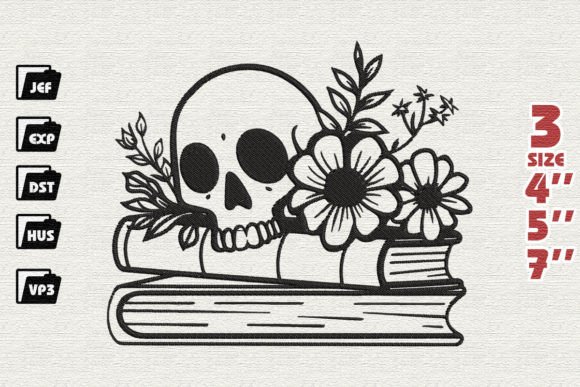
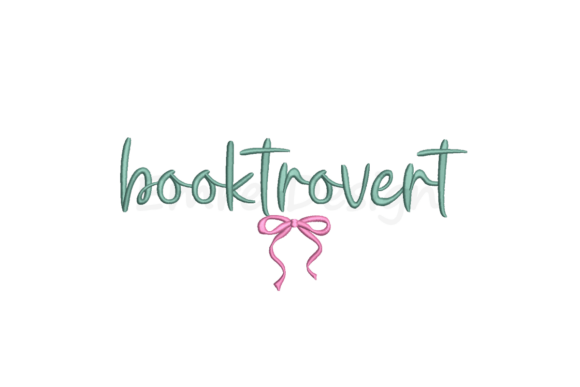
The name "Booktrovert" immediately suggests a cozy, introverted charm. Visually, the design delivers on this promise. It feels sweet, playful, and undeniably handmade. Unlike some overly complex designs that try to do too much, Booktrovert strikes a balance between elegance and approachability. It has a modern yet classic feel, making it versatile enough for a wide range of demographics.
For the target audience—readers, students, and lovers of quiet hobbies—the emotional connection is strong. When you look at a finished piece featuring this design, you don’t just see a pattern; you see a personality. This is crucial for personalized gift items. Customers are not just buying an embroidered towel or a tote bag; they are buying a statement about who they are. The whimsical nature of the design invites interaction, making it highly shareable on social media platforms like Instagram and Pinterest, which is vital for any Etsy seller looking to boost organic traffic.
Product Applications and Use Cases
One of the strongest selling points of Booktrovert is its adaptability. In my testing, I found that this embroidery file performs exceptionally well across several high-demand categories. Here is where I believe it shines:
- Baby Embroidery and Nursery Decor: The soft, whimsical vibe makes it perfect for nursery wall art or the corner of a baby blanket. It appeals to parents who want something unique for their child’s room that isn’t the typical mass-produced option.
- Wedding Gifts and Keepsakes: Imagine a custom tote bag for a bridesmaid or a monogrammed pillow cover for a newlywed couple. The design adds a touch of personality without being overly formal, fitting perfectly into the trend of meaningful, handmade wedding gifts.
- Kitchen and Home Textiles: An embroidered towel featuring Booktrovert can transform a standard kitchen staple into a decorative item. It works beautifully on aprons for home bakers or as a decorative accent on pillow covers for living spaces.
- Craft Fair and Market Products: For those selling physical goods at local markets, this design allows for quick turnaround times on custom orders. You can pre-stitch blanks and then add personalization, or offer made-to-order services that feel special to the buyer.
- Digital Product Sellers: If you sell digital embroidery files, Booktrovert is a great addition to your catalog. It targets a niche market (book lovers) that is often underserved compared to broader categories like floral or abstract designs.
Strategic Considerations and Careful Placement
While the design is charming, no single machine embroidery design is a one-size-fits-all solution. As a professional, I advise caution in specific scenarios to ensure customer satisfaction and minimize returns.
First, consider the scale. If the design includes small lettering or delicate details, ensure your customer understands that these elements may not reproduce clearly on all materials. Avoid placing intricate parts of the design on thick towels or heavily textured fabrics, as the texture can obscure the finer stitches. Similarly, stretchy baby clothes require a stabilizer that matches the fabric’s elasticity; otherwise, the design may pucker after washing.
Dark fabrics present another challenge. While Booktrovert might look striking on white cotton, the contrast needs to be carefully managed. Always compare light and dark fabric mockups before finalizing your product listings. If the thread colors do not pop against the background, the "whimsical" effect can turn into a muddy, indistinct blob.
Additionally, think about the end-use of the product. Items that require frequent washing, such as dish towels or baby blankets, need robust stitching. If the design relies on long running stitches that are prone to snagging, it may not be suitable for high-traffic household items. Always prioritize durability alongside aesthetics.
Impact on Giftability and Perceived Value
In the world of handmade commerce, perceived value is everything. A well-executed custom embroidery project can double the retail price of a plain item. Booktrovert enhances this value by adding a narrative layer. When a customer sees a pillow cover with this design, they perceive it as thoughtful and curated.
This emotional connection drives buyer engagement. People love to give gifts that show effort and thoughtfulness. By offering Booktrovert on premium blanks, you elevate the handmade product from a simple commodity to a keepsake. This is particularly effective for holiday gifting seasons, where buyers are looking for unique alternatives to generic store-bought items.
Furthermore, the design’s aesthetic lends itself well to product photography. Its clean lines and charming theme photograph beautifully, which is essential for online sales. High-quality images of the finished product can significantly increase click-through rates and conversion rates for your small shop product listings.
Practical Embroidery Notes for Success
To ensure that your use of Booktrovert results in professional-grade finished products, please adhere to the following best practices:
- Test on Scrap Fabric: Never jump straight into your final blank. Stitch the design on a scrap piece of the same fabric type to check for tension issues and color accuracy.
- Check Thread Color Contrast: Verify that your chosen thread colors provide sufficient contrast against the base fabric. Low contrast can make the design look washed out.
- Confirm Hoop Size: Ensure your hoop size accommodates the design dimensions with a margin for error. Running out of hoop space mid-stitch can ruin the alignment.
- Review Stitch Density: Check the stitch density settings in your software. Too dense, and the fabric will pucker; too sparse, and the backing may show through.
- Use Proper Stabilizer: Match your stabilizer to the fabric weight. Lightweight fabrics need lightweight stabilizers, while heavy towels require cut-away options for stability.
- Inspect Small Details: After stitching, zoom in on the smallest details. If they are lost or distorted, consider simplifying the design or adjusting the placement.
- Commercial Licensing: Before selling finished products, confirm the commercial licensing terms of the digital file. Ensure you have the right to sell items made with this design to avoid legal issues.
By keeping these practical notes in mind, you can leverage the charm of Booktrovert to create high-quality, desirable products. Whether you are a seasoned pro or just starting your journey in commercial embroidery, this design offers a delightful opportunity to connect with customers who appreciate the warmth of handmade goods.