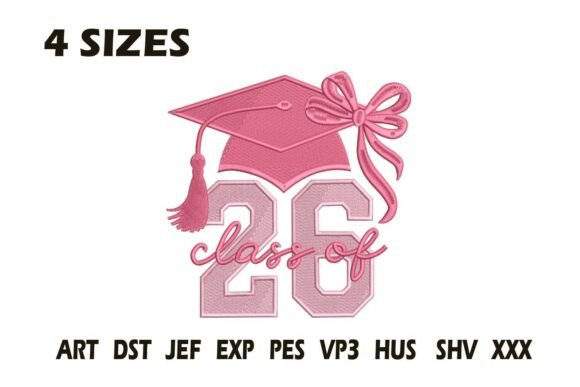
Class of 2026 Graduation Bow Embroidery
When I am looking at a new digital embroidery file, my first instinct is always practical: will this actually look good when it comes off the hoop? As a designer who frequently produces custom apparel and small-batch merchandise for clients, I don’t just want something that looks pretty in a preview window. I need to know how it holds up on fabric, how it translates into a finished product, and whether it adds enough perceived value to justify the time it takes to stitch.
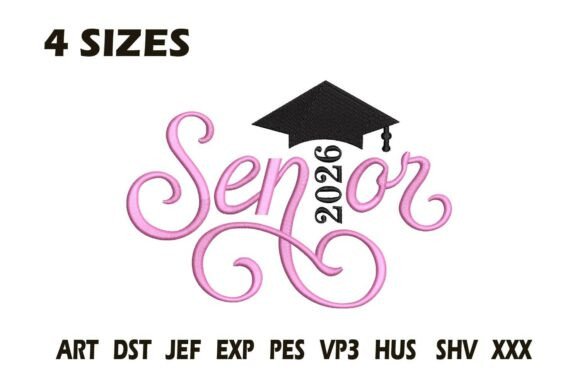
That is exactly why I took a close look at the Class of 2026 Graduation Bow Embroidery. It falls squarely into the school category, but its appeal stretches far beyond just academic milestones. This design promises a bit of charm with a playful aesthetic, making it a versatile asset for anyone creating personalized gifts, boutique items, or handmade products. Below is my honest review of how this design performs in real-world scenarios, from initial visual impact to technical execution.
The First Impression: Mood and Visual Personality
The moment you load the Class of 2026 Graduation Bow Embroidery, the mood is immediately established. It isn’t stiff or overly formal; instead, it carries a whimsical, celebratory energy. The bow shape is central to the design’s personality, offering a soft, feminine touch that balances well with the boldness of the year text. For designers working on custom apparel or personalized gifts, this balance is crucial. You want the piece to feel special without looking like a generic template.
The layout feels balanced, which suggests that the digitizer paid attention to negative space. This is a huge plus because it means the design won’t get lost on larger garments like sweatshirts, nor will it overwhelm smaller items like baby clothes or tote bag designs. The visual weight is distributed in a way that feels intentional, giving the final product a polished, professional finish right out of the machine.
Real-World Application: Where This Design Shines
In my experience, the best embroidery files are the ones that can be repurposed across multiple product lines. The Class of 2026 Graduation Bow Embroidery excels here. While the "Class of" text clearly targets graduation season, the bow element allows for broader application. Here is how I see this performing in specific commercial and personal projects:
- Sweatshirt Embroidery: This is perhaps the strongest use case. Placing this design on a crewneck sweatshirt creates an instant classic. The combination of a cozy garment with a structured bow design appeals to parents buying for their students and young adults buying for themselves. It works beautifully as a keepsake item.
- Tote Bag Design: Canvas totes are a staple for craft businesses. Stitching this design onto a sturdy canvas tote adds a high-end touch. Because bows are often associated with organization and style, they pair naturally with the utility of a tote bag. It transforms a simple accessory into a branded small shop product.
- Baby Embroidery: Don’t overlook the potential for nursery decor or baby gifts. A softer color palette applied to this same design can create a memorable christening gift or a milestone blanket. The gentle curves of the bow make it suitable for delicate fabrics, provided the stitch density is appropriate.
- Embroidered Patch: If you sell accessories, converting this design into an embroidered patch opens up new markets. Patches can be ironed or sewn onto denim jackets, backpacks, or caps, extending the life of the design beyond a single garment.
Technical Considerations and Fabric Choices
As an experienced reviewer, I have to address the technical side. Even the most beautiful design can fail if the underlying construction isn't sound. When using the Class of 2026 Graduation Bow Embroidery, several factors come into play regarding fabric texture, thread colors, and stabilization.
Stabilizer Selection: Because bows often involve satin stitches around the edges to define the shape, proper stabilization is non-negotiable. If you are stitching on stretchy fabrics like jersey t-shirts or thin knits, you must use a cut-away stabilizer to prevent puckering. For woven cottons used in tea towels or pillow covers, a tear-away might suffice, but testing is key. Always check your stitch density against the fabric weight; too much density on light fabric will cause distortion.
Thread Color Contrast: The readability of "Class of 2026" depends heavily on contrast. On dark fabrics, you will need bright or metallic threads to ensure the text pops. On light fabrics, darker threads provide clarity. I recommend testing the embroidery file in black and white mockups before committing to expensive specialty threads. This helps verify that the lettering remains legible regardless of the color choice.
Fabric Texture: While this design looks great on smooth surfaces, be cautious with highly textured fabrics like heavy wool or boucle. The intricate details of the bow may get lost in the weave. Stick to smoother weaves like cotton, polyester blends, or linen for the cleanest result.
Areas of Caution: Where to Be Careful
No design is perfect for every situation. There are specific scenarios where the Class of 2026 Graduation Bow Embroidery requires extra attention or might not be the best fit:
- Small Hoop Sizes: If you are attempting to stitch this on very small items, such as tiny baby socks or miniature ornaments, you must verify the minimum hoop size. If the design is too large for the available hoop, the details—especially the text—may become compressed or illegible.
- Curved Surfaces: Stitching directly onto curved surfaces like baseball caps or fitted hats can be tricky. Unless the design has been specifically digitized for curvature (which requires checking the source file), flat designs may pucker when stretched over a curve. For caps, consider applying it to a flat brim or using a specialized cap frame.
- Dense Stitch Areas: If the bow uses a high fill stitch density, it can add significant weight to the garment. On lightweight fabrics, this weight might cause the material to sag over time. Always inspect the design for dense areas and consider reducing stitch count if possible.
- Frequent Washing: For items that will undergo frequent washing, such as kitchen towels or daily wear aprons, ensure that the thread colors are colorfast. Some bright embroidery threads can fade faster than the base fabric, leading to a worn look after a few cycles.
Impact on Product Value and Brand Consistency
From a business perspective, the quality of your embroidery directly impacts customer trust and brand consistency. A well-executed Class of 2026 Graduation Bow Embroidery signals professionalism. It tells the buyer that you care about the details. In the world of Etsy sellers and craft business owners, this distinction is vital.
When customers receive a handmade product that looks crisp and professionally stitched, they are more likely to leave positive reviews and return for future purchases. Conversely, sloppy stitching or misaligned elements can damage your reputation. By taking the time to test this design on scrap fabric first, you protect your brand’s integrity.
Furthermore, the versatility of this design allows for consistent branding across different product types. Whether you are selling a holiday embroidery gift set or a back-to-school bundle, the cohesive look of the bow motif ties your collection together. This consistency helps build recognition, making your shop stand out in a crowded marketplace.
Final Designer Notes
Before integrating the Class of 2026 Graduation Bow Embroidery into your production workflow, keep these practical steps in mind:
- Test Run: Never skip the test run. Stitch the design on the actual fabric you plan to use. Check for thread breaks, tension issues, and overall alignment.
- Licensing: Confirm the licensing terms before selling finished items. Ensure you have the right to use the design for commercial purposes, especially if you are producing digital product previews or physical goods for resale.
- Mockups: Use printable mockups to visualize the design on different products. This helps you market the item effectively by showing potential buyers how it looks in context.
- Detail Inspection: Zoom in on the digital file. Look for any overlapping stitches or unnecessary jumps that could affect the final appearance. A clean digitization saves time and frustration during production.
Ultimately, the Class of 2026 Graduation Bow Embroidery is a strong addition to any designer’s library. It offers a blend of charm and professionalism that resonates with a wide audience. By paying attention to the technical details and choosing the right materials, you can create stunning finished products that delight customers and elevate your brand. Whether you are crafting a personal gift or building a robust commercial embroidery inventory, this design provides a solid foundation for success.