Future Engineer – Kids Gear
As a designer who spends half the day digitizing and the other half stitching, I don’t just look at an embroidery file; I look at its potential. When Future Engineer – Kids Gear landed in my inbox, I didn’t immediately see a cute graphic. I saw a brand asset. I saw a personalized gift that could elevate a simple tote bag into a boutique item. I saw the kind of handmade product that stops a scroll on Etsy or catches the eye at a craft fair. This review is about stripping away the marketing fluff and looking at this design through the lens of real-world application, stitch quality, and commercial viability.
First Impressions: Industrial Charm Meets Childhood Ambition
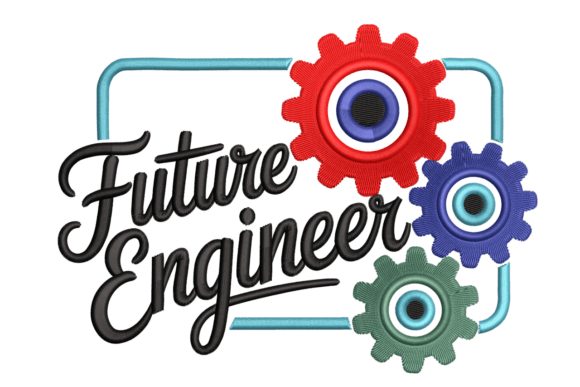
The moment you open the file preview, the mood is distinct. It isn’t soft pastels or whimsical clouds. It is bold, industrial, and grounded. The theme revolves around gears and frames, rendered with a thickness that suggests durability. For a School themed collection or a niche focused on STEM (Science, Technology, Engineering, and Mathematics), this design fills a specific gap. Most "engineer" designs for kids are either too cartoonish or too generic. Future Engineer – Kids Gear strikes a balance. It feels mechanical but approachable.
The visual personality here is key. It creates a sense of capability. When a child wears a sweatshirt with this motif, it doesn’t just say "I like machines"; it says "I am building something." For the embroidery project creator, this translates to higher perceived value. Customers aren’t just buying thread on fabric; they are buying into an identity. The layout is clean, which is crucial for maintaining clarity during the stitching process.
Real-World Application: Where This Design Shines
I’ve tested dozens of files in various scenarios, and Future Engineer – Kids Gear shows exceptional versatility across different custom apparel categories. Here is how it performs in practical use cases:
- Tote Bag Embroidery: This is perhaps the strongest use case. A canvas tote bag provides a flat, stable surface that allows the gear details to pop. The industrial theme pairs perfectly with natural canvas or denim. It transforms a standard bag into a statement piece for a young aspiring engineer heading to school or a summer camp.
- Sweatshirt Embroidery: Heavyweight cotton blends are ideal for this design. The bold lines hold up well against the texture of fleece or French terry. It works beautifully as a chest logo or centered back print. For holiday gifts, this combination screams "thoughtful and cool."
- Baby Embroidery: While the theme is industrial, the scale matters. On a onesie or burp cloth, the design needs to be sized appropriately. If the gears are too small, they lose impact. However, when scaled correctly on a baby blanket or a hooded towel, it becomes a charming keepsake. The contrast between the rugged theme and soft baby items creates a unique aesthetic that parents love.
- Embroidered Patch: This design lends itself naturally to being converted into an applique design or a standalone patch. The gear shapes provide clear boundaries for trimming. A sew-on patch allows for maximum flexibility, letting customers attach it to backpacks, hats, or jackets later.
- Aprons and Kitchen Towels: Don’t overlook the utility angle. An apron for a kid’s cooking class or a kitchen towel with this motif ties into the "builder" narrative. It’s functional decor that fits a modern home.
Critical Considerations: Where to Exercise Caution
No design is perfect, and knowing where Future Engineer – Kids Gear might struggle is just as important as knowing where it succeeds. As an experienced reviewer, I must highlight these potential pitfalls:
- Small Hoop Sizes: If you attempt to digitize or stitch this in a very small hoop (under 4x4 inches), you risk losing detail. The gears may merge into blobs, and the text may become illegible. Always check the minimum recommended size before committing to a tiny product like a hat brim or a small pocket.
- Fabric Texture and Stability: Avoid using this on highly textured fabrics like chunky knits or bouclé. The needle will have trouble penetrating evenly, leading to skipped stitches. Similarly, thin fabrics require heavy-duty stabilizer. Without proper support, the stitch density of the fill areas can pucker the material, ruining the professional finish.
- Stretchy Fabrics: Jersey knits and spandex blends are challenging. The tension of the threads can distort the garment over time. If you must use this on stretchy material, ensure you are using a tear-away or cut-away stabilizer specifically designed for knits, and consider adding a backing to stabilize the area before stitching.
- Dense Stitch Areas: The gear cogs and frame borders likely contain dense fill stitches. On dark fabric, if the thread color choice is poor, these areas can look muddy or overly thick. Always test thread colors against your base fabric. A high-contrast thread (like white or light grey on navy) will maintain the crispness of the mechanical lines.
- Curved Surfaces: Stitching this on a cap or a curved pillow corner requires advanced hooping techniques. The distortion from the curve can warp the circular elements of the gears. For beginners, stick to flat surfaces.
Designer’s Notes for Professional Results
To get the most out of this digital embroidery file, follow these practical steps before running your first production batch:
Test on Scrap Fabric: Never assume the digital preview matches the physical output. Stitch a sample on the exact fabric you plan to sell. Check for puckering, thread breaks, and registration accuracy.
Review Stitch Density: Look closely at the transition between the satin stitch borders and the fill stitch centers. Are there any unnecessary jumps? Is the underlay sufficient to keep the design flat? If the density feels too high, you might need to adjust the settings in your embroidery software to prevent bulkiness.
Black and White Mockups: Convert your design mockup to grayscale. This helps you assess contrast without the distraction of color. If the gears disappear into the background in black and white, they will likely struggle in color too.
Stabilizer Selection: Match your stabilizer to your fabric weight. A lightweight tear-away might suffice for cotton twill, but a heavyweight cut-away is non-negotiable for stretchy or delicate materials. Using the wrong stabilizer is the number one cause of failed finished product reviews.
Licensing and Commercial Use: Before listing this on Etsy or selling at craft fairs, verify the license terms. Does the purchase allow for commercial use of the finished goods? Some designers restrict resale, while others allow unlimited sales of physical items made from their files. Clear licensing protects your business and builds trust with buyers.
Final Verdict: A Strong Asset for Creative Entrepreneurs
Future Engineer – Kids Gear is more than just a cute pattern; it is a versatile tool for any craft business owner looking to diversify their inventory. It appeals to a specific demographic—parents who want to encourage STEM interests—and does so with a style that feels modern and sturdy. Whether you are creating personalized gifts for birthdays, expanding your Etsy seller catalog with school-themed merchandise, or designing design assets for a larger brand, this file delivers.
The key to success lies in execution. Choose the right fabric, respect the hoop limitations, and prioritize stitch clarity. When done correctly, the result is a handmade product that exudes professionalism and care. It’s not just embroidery; it’s a tangible expression of ambition. For designers who pay attention to detail, this design offers a reliable path to creating engaging, high-quality work that resonates with customers.
In summary, if you are looking for a machine embroidery design that balances thematic depth with technical feasibility, Future Engineer – Kids Gear earns its place in your library. Just remember: the best embroidery starts with careful planning and ends with a confident stitch.