Line Art Coffee Cup on Book Stack Review
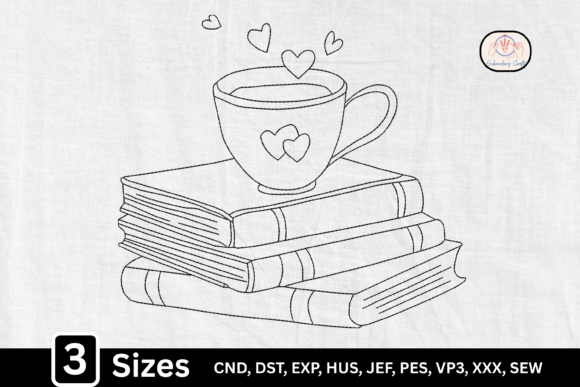
If you have spent any time browsing the aisles of a weekend craft fair or scrolling through Etsy, you know that cozy aesthetics are having a major moment. As an embroidery designer who has produced hundreds of designs for handmade markets, I am always looking for that perfect intersection of simplicity and charm. Today, I am reviewing the Line Art Coffee Cup on Book Stack design. This outline-style digital file promises to capture the essence of quiet mornings and literary escapes. But does it hold up when stitched into a real-world craft fair product? Let’s dive into the details.
First Impressions: Minimalist Charm Meets Market Appeal
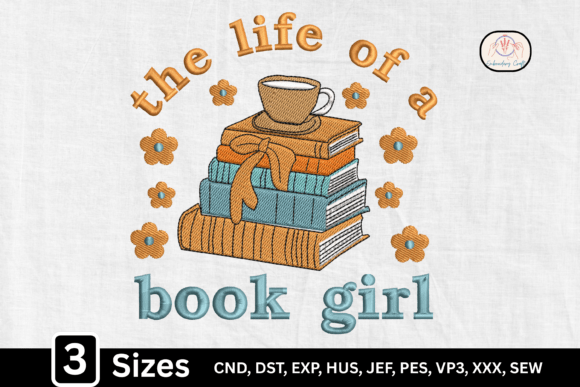
The title alone—Line Art Coffee Cup on Book Stack—suggests a clean, modern aesthetic. In the world of machine embroidery, "outline" or "line art" styles are incredibly valuable because they rely on negative space rather than heavy fill stitches. This makes the design feel lightweight, elegant, and versatile. It avoids the cluttered look that can sometimes plague busy patterns, allowing the viewer’s eye to rest on the essential shapes: the curve of the mug and the stacked pages of the books.
For a boutique maker or an Etsy seller, this visual clarity is crucial. At a crowded craft fair booth, customers often glance at items from a distance. A dense, complex design might get lost in the noise, but a crisp line art piece stands out. It feels premium and intentional. The heart style mentioned in the description adds a subtle touch of warmth without being overly sentimental, making it suitable for a wide range of buyers, from students to professionals.
Product Potential: Where This Design Shines
When evaluating a new embroidery file, my first question is always: "What will I stitch this onto?" The Line Art Coffee Cup on Book Stack is remarkably adaptable. Here is how it performs across various popular handmade categories:
- Tote Bags: This is perhaps the strongest candidate. A canvas tote with a single, centered line-art coffee cup screams "literary lover." It works beautifully as a chest placement or a large pocket design. The minimalism ensures it doesn’t overwhelm the fabric texture.
- Aprons and Tea Towels: For the kitchen-focused customer, this design translates perfectly to linen tea towels or denim aprons. The outline style mimics the look of hand-drawn illustrations, adding a rustic yet modern flair to your small shop product lineup.
- Embroidered Patches: Because line art relies on clean edges, it digitizes well for patches. Whether sewn-on or iron-on, these make excellent accessories for backpacks and jackets. They are high-margin items that are quick to produce.
- Caps and Beanies: A small, left-chest placement on a structured cap gives a sophisticated look. However, be mindful of the curvature; line art can sometimes stretch if the stabilizer isn’t chosen correctly.
- Pillow Covers: For home decor enthusiasts, a square pillow featuring this design offers a soft, inviting accent piece. It pairs well with neutral fabrics like cream, sage green, or terracotta.
Production Practicality and Visual Impact
One of the biggest challenges for handmade entrepreneurs is balancing production time with quality. Line art designs generally require less thread and fewer hooping adjustments than dense fill designs, which can speed up your workflow. This efficiency allows you to create batch quantities for market days without burning out.
Photographically, this design is a dream. The contrast between the thread color and the fabric background is key. When creating a printable mockup for your online listings, ensure you use a thread color that pops against your fabric choice. For example, white thread on a navy blue tote bag creates a striking, high-contrast image that catches the eye in search results. The simplicity of the Line Art Coffee Cup on Book Stack means it photographs well even in natural light, requiring minimal post-processing.
In terms of customer attention, the design taps into the "hygge" trend—the cozy feeling of comfort and contentment. Buyers at craft fairs are often looking for items that reflect their personal identity. For the reader who loves coffee, this design acts as a badge of belonging. It signals, "I appreciate slow mornings and good stories."
Technical Considerations for Success
While the design is visually appealing, successful execution depends on technical diligence. Here are some critical notes before you start stitching:
- Stitch Density: Although it is line art, check the density settings in your digitizing software. Lines that are too thin may break during washing, while lines that are too thick may lose their delicate appearance. Aim for a balance that maintains definition.
- Fabric Texture: Avoid highly textured fabrics like heavy burlap or loose-weave waffle knits for the initial runs. The fine lines of the book stack may get lost in the weave. Stick to smooth cottons, linens, or tight-knit poly-blends for the best clarity.
- Thread Contrast: Ensure there is sufficient contrast between your thread and fabric. On dark fabrics, consider using a cut-away stabilizer to prevent puckering, especially if the design covers a larger area.
- Hoop Size: Confirm the recommended hoop size for this file. If the design is intended to be small, ensure your hoop can accommodate the necessary margin for trimming and finishing.
- Testing: Always test the design on scrap fabric first. Inspect the corners of the books and the rim of the cup. Are the lines continuous? Is the spacing consistent?
Final Verdict for Craft Fair Sellers
The Line Art Coffee Cup on Book Stack is a strong addition to any commercial embroidery collection. It hits the sweet spot of being trendy yet timeless. It appeals to a broad demographic, from college students buying gifts for professors to retirees looking for cozy home accents.
For the Etsy seller, this design offers versatility. You can sell the finished physical goods, or potentially offer the digital embroidery file itself to other makers (provided you have the correct commercial licensing). It is a low-risk, high-reward design that enhances brand consistency by projecting an image of thoughtful, high-quality craftsmanship.
As you prepare your booth display, arrange your embroidered items to highlight the clean lines of the design. Use natural lighting to showcase the thread texture. When customers see the care put into the stitching, they are more likely to perceive the value of your handmade product. This design doesn’t just decorate fabric; it tells a story of comfort and creativity, making it a standout winner for your next market season.